E-Leviate

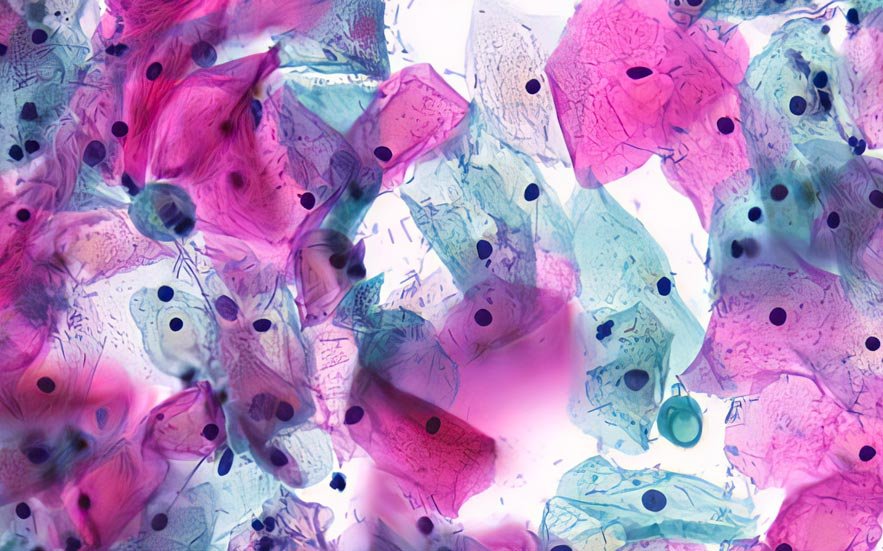
E-Leviate Pharma develops a world-first estriol-eluting pessary ring that combines structural support with six months of sustained local oestrogen delivery, improving treatment for pelvic organ prolapse and urinary stress incontinence.
Fund: Te Pae ki te Rangi
Transaction Summary
Fund: Te Pae ki te Rangi
Date Invested: December 2025 (Seed)
Instrument: Equity Investment
IRIS+ Category: Health | Access to Quality Healthcare
Why We Invested
Pelvic organ prolapse affects a significant proportion of women globally. It’s also one of the most undertreated conditions in women’s health: not because solutions don’t exist, but because the ones that do are difficult to access, require frequent clinical contact, and carry enough stigma to keep many women from seeking care at all.
E-Leviate’s device changes the treatment equation. Their estriol-eluting pessary ring provides structural support and six months of local oestrogen delivery in a single device, reducing the repeat clinical visits that make sustained treatment impractical for many patients. Fewer appointments. Better adherence. More control in the hands of patients and their whānau.
The equity case is where this investment sits firmly within Te Pae ki te Rangi’s mandate. Māori and Pasifika women are overrepresented in hospital admissions for POP despite similar prevalence rates across communities. The gap isn’t clinical. It’s access, cultural safety, and a health system that has historically made it harder, not easier, for these women to sustain treatment. E-Leviate addresses all three.
Measuring What Matters
Problem:
Pelvic organ prolapse is one of the most common conditions women face, but effective care isn’t equitably accessible. Symptoms affect daily life and wellbeing. Cultural barriers, disempowering clinical experiences, and the practical burden of ongoing treatment keep many women — particularly Māori and Pasifika women — from getting the care they need. The health system absorbs the consequences: poorer outcomes, avoidable complications, and strain on clinical resources.
What:
A pessary device combining structural support with sustained local oestrogen delivery, reducing the need for frequent clinical visits and improving treatment adherence for women living with POP.
Who:
Women living with POP and their whānau. Māori and Pasifika women, who are overrepresented in hospital admissions despite POP prevalence being consistent across communities.
How Much:
Scale: number of POP patients using the E-Leviate device. Depth: fewer adverse events from pessary failure or poor adherence; fewer clinical visits required; improved day-to-day condition management. Duration: benefits accrue across what is often a long-term treatment period.
Contribution:
No existing pessary solution combines structural support with targeted oestrogen delivery. E-Leviate fills that gap, simplifying care and reducing reliance on frequent appointments — particularly significant for priority communities where clinical access is already constrained.
Impact Risk:
Evidence risk: patient-level outcome data may be limited or ethically constrained. Impact measurement will rely on trial insights and established research, requiring careful extrapolation.
Impact Measures:
Number of POP patients using the device. Reduction in clinical visits. Patient and carer-reported outcomes.