Kitea Health

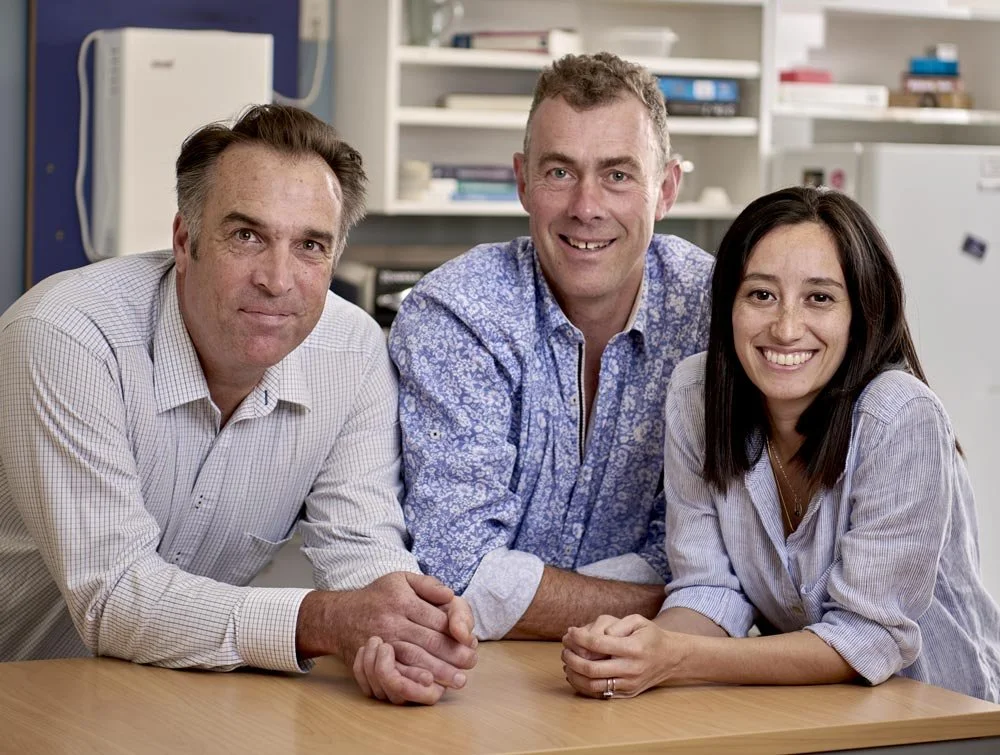
Kitea Health is a Tāmaki Makaurau based medical device technology company developing a miniaturised wireless pressure sensor implant for managing hydrocephalus (excess cerebrospinal fluid in the brain).
Fund: Te Pae ki te Rangi
Transaction Summary
Fund: Te Pae ki te Rangi
Date Invested: August 2025 (Seed)
Instrument: Equity Investment
IRIS+ Category: Health | Access to Quality Healthcare
Why We Invested
Hydrocephalus is managed with a shunt draining fluid around the brain. Shunts fail often: around half within two years. When they do, the signs are easy to miss until a crisis is already underway. Families live with that uncertainty. Every headache becomes a question that can only be answered in an emergency department.
Kitea's implant sits alongside the shunt inside the brain and allows intracranial pressure to be monitored at home via a handheld wireless reader. Rising pressure may suggest a potential shunt malfunction. Patients and caregivers can check, act early, either to avoid a visit to an emergency department, or get to care faster. That's a significant shift in how a complex, high-burden condition gets managed day to day.
The equity case is where the investment sharpened. Māori and Pasifika patients present later to hospital and are overrepresented in admissions, despite similar prevalence across communities. A health system with a history of inequitable outcomes doesn't fix that on its own. Kitea gives whānau the tools to monitor, validate symptoms, and engage with healthcare on their own terms. Agency matters in healthcare. It matters even more when the system has historically offered less of it to the people who needed it most.
Measuring What Matters
Problem:
Whānau of children with hydrocephalus live with constant uncertainty: ambiguous symptoms, frequent emergency visits, and the emotional, cultural, and financial strain that comes with managing a condition where the signs of shunt failure are hard to read until they become serious. Many caregivers reduce or leave work to monitor their children. Some avoid healthcare altogether because of past disempowering experiences.
What:
Real-time intracranial pressure monitoring that reduces unnecessary hospital visits, enables early intervention, and gives patients and whānau knowledge and control over a condition that has historically offered neither.
Who:
Hydrocephalus patients with shunts, with a particular focus on Māori and Pasifika communities, who are disproportionately affected by delayed diagnosis and hospital admissions despite similar prevalence across communities.
How Much:
Scale: number of hydrocephalus patients using the Kitea device.
Depth: reduced risk of adverse outcomes from undetected shunt failure, fewer unnecessary admissions, and improved day-to-day condition management.
Duration: benefits are experienced across patient lifetimes, with the device remaining implanted.
Contribution:
Kitea's non-invasive, continuous monitoring enables Māori and Pasifika communities facing delayed diagnoses to engage with healthcare proactively and on their own terms, reducing inequities in a system with a documented history of underserving them.
Impact Risk:
Evidence risk: impact evidence remains limited, drawing on trial insights and hydrocephalus research to extrapolate likely benefits for priority communities.
Inequity risk:
Because the device will be distributed through a health system with a history of inequitable outcomes, equitable access for priority communities cannot be guaranteed.
Impact Measures:
Number of hydrocephalus patients using device. Reduction in unnecessary hospital visits. Patient and carer-reported outcomes.